How Much Home Can You Afford in Chandler in 2026
How Much Home Can You Afford in Chandler in 2026
What “affordable” really means in Chandler right now 1
What different price ranges actually feel like in Chandler 2
What actually changes your budget more than the home price 3
Where buyers start to feel surprised in Chandler 4
If Chandler stretches your budget a little too far 5
What most buyers miss when they think about affordability 6
Monthly payment thinking changes everything 7
Chandler still has that “people want to be here” energy in 2026. Good schools, solid job market, clean neighborhoods, and a lifestyle that just feels easy compared to a lot of the Valley.
But affordability has gotten more complicated.
Not in a scary way. Just in a “you need to run the real numbers, not the wish list” kind of way.
Because what you can afford in Chandler now has less to do with a random price tag you see online and more to do with what kind of monthly payment actually fits your life without stress showing up later.
Let’s walk through it in a real, grounded way.
No fluff. Just what buyers are actually running into right now.
What “affordable” really means in Chandler right now
Most people don’t start with a budget. They start with a feeling.
Something like:
“I want Chandler, but I don’t want to be house poor.”
That’s usually the line.
In 2026, affordability in Chandler is really shaped by three things working together at the same time:
Your income
Interest rates
How much you want your monthly payment to feel comfortable, not stretched
And that last one matters more than people expect.
Two buyers can look at the same house and have completely different experiences with it, just because their monthly payment comfort zone is different.
That’s why price alone doesn’t tell the story anymore.
It never really did, but now it’s obvious.
What different price ranges actually feel like in Chandler
Instead of treating this like a chart, think of it more like lifestyle brackets. Because that’s really what changes.
Entry level range
This is where a lot of first-time buyers land or where people look when they are trying to stay conservative with monthly payments.
At this level, you’re usually looking at smaller homes, condos, or older properties that may need updates.
The tradeoff is pretty simple. You get Chandler access, but you might give up size, modern finishes, or location convenience depending on what hits the market.
Some buyers are totally fine with that because the goal is just getting into the market. Others start feeling squeezed if commute or space becomes an issue.
That’s where a lot of people start comparing nearby areas to stretch things further.
Some buyers start looking outside Chandler entirely just to see what their money does elsewhere. Places like Apache Junction sometimes come up in that conversation because there are still pockets where budgets feel a little less tight.
You’ll see some homes under $500K that give buyers a bit more breathing room, which can change the whole conversation when you’re trying to stay within a certain monthly range.
It’s not always about leaving Chandler. It’s about understanding what your money actually buys in different parts of the East Valley.
Mid range Chandler living
This is where most move-up buyers try to land if they can make it work.
At this level, you start seeing more space, better layouts, and neighborhoods that feel more established or more updated depending on the area.
It’s also where buyers start paying more attention to lifestyle details.
Not just “how many bedrooms,” but things like:
How long the commute feels on a Tuesday morning
Whether the neighborhood feels calm at night
How close you are to everyday errands without planning your whole day around them
This is the range where Chandler really shines because you start getting access to the areas people move here for in the first place.
But this is also where monthly payments start to feel real.
Not unmanageable. Just real.
And that’s usually when buyers start slowing down and asking better questions instead of rushing decisions.
Upper move-up range
Once you get into higher price points, Chandler starts to feel very different depending on the neighborhood.
You’re looking at larger homes, newer builds, or more upgraded properties in communities that are designed for comfort and presentation.
At this level, buyers usually care less about “can I afford it” and more about “does this feel worth it every month.”
That’s a very different conversation.
Because the monthly payment isn’t just a number anymore. It’s tied directly to how you live day to day.
And this is where people either feel like Chandler is exactly where they want to be or they start questioning whether they want more space for the money somewhere else.
What actually changes your budget more than the home price
Most people think the home price is the biggest factor.
It’s not.
Three things usually move your budget more than anything else:
Interest rate movement, even small changes
Down payment size
Debt you already carry
A small shift in rate can change your monthly payment more than a big difference in home price sometimes.
That’s why two buyers looking at the same exact house can have totally different reactions to it.
One feels fine. One feels like it’s too much.
Same house. Different setup.
That’s also why it helps to think in monthly payment terms first, not just price ranges.
Because the price tag is only part of the picture.
Where buyers start to feel surprised in Chandler
There are a few moments that catch people off guard when they start shopping seriously.
One is how fast desirable homes move when they are priced right.
Another is how quickly monthly payments shift when you move just slightly up in price.
And another is how location inside Chandler changes value more than people expect.
Two similar homes can feel completely different depending on whether you are closer to downtown Chandler, Ocotillo, or farther east.
That’s where people sometimes pause and rethink their strategy entirely.
Some even start comparing lifestyle outside Chandler just to reset expectations. Not because they want to leave, but because they want to understand the full picture before committing.
That’s also where looking at timing and opportunity can help buyers step back and get a clearer picture without feeling like they’re locked into one city.
It gives perspective, especially when Chandler feels competitive.
If Chandler stretches your budget a little too far
This is the part most people don’t talk about enough.
Sometimes Chandler is the goal, but the numbers don’t line up comfortably yet.
That doesn’t mean the plan is off. It just means the strategy might need adjusting.
Some buyers choose to look slightly farther out in the East Valley, not as a downgrade, but as a way to build equity and reposition later.
In those cases, areas like Apache Junction come up again because you can sometimes find more breathing room in pricing and still stay connected to the Valley.
That’s also where down payment can come into play for people trying to ease upfront costs while still moving forward.
That can make the difference between waiting another year or getting into a home sooner with a plan that actually works.
And for some buyers, that matters more than staying in one specific city.
What most buyers miss when they think about affordability
People usually focus on what they qualify for.
But qualifying and being comfortable are not the same thing.
Qualification is what a lender says you can do.
Comfort is what your life feels like after the purchase.
That gap is where a lot of stress comes from later if it’s not considered early.
Most buyers who feel good about their purchase six months later did something simple. They bought below their max approval, not at it.
They left room.
Room for repairs. Room for life changes. Room for not feeling stretched every month.
That decision usually matters more than the neighborhood they picked.
Monthly payment thinking changes everything
Once you start thinking in monthly numbers instead of home price, things get clearer fast.
You stop asking “what’s my max?”
You start asking “what feels normal for me every month without stress?”
That shift alone changes how you shop.
It also helps you compare homes in a more honest way because you’re not getting distracted by square footage or upgrades that don’t actually matter to your day-to-day life.
At that point, it becomes less about chasing the biggest or newest home and more about finding something that fits your routine without pressure building up in the background.
Final thoughts
So how much home can you afford in Chandler in 2026?
The honest answer is it depends less on a number and more on how you want your monthly life to feel.
Some buyers stretch for Chandler and make it work because the lifestyle is worth it to them. Others adjust their strategy a bit, look at nearby areas, and come back to Chandler later when the timing is better.
Neither approach is wrong.
What matters is being honest about comfort, not just approval.
Because the right home isn’t just the one you can get into. It’s the one that still feels good to live in after the excitement wears off and real life kicks in.
That’s the part that actually matters.
About the Author
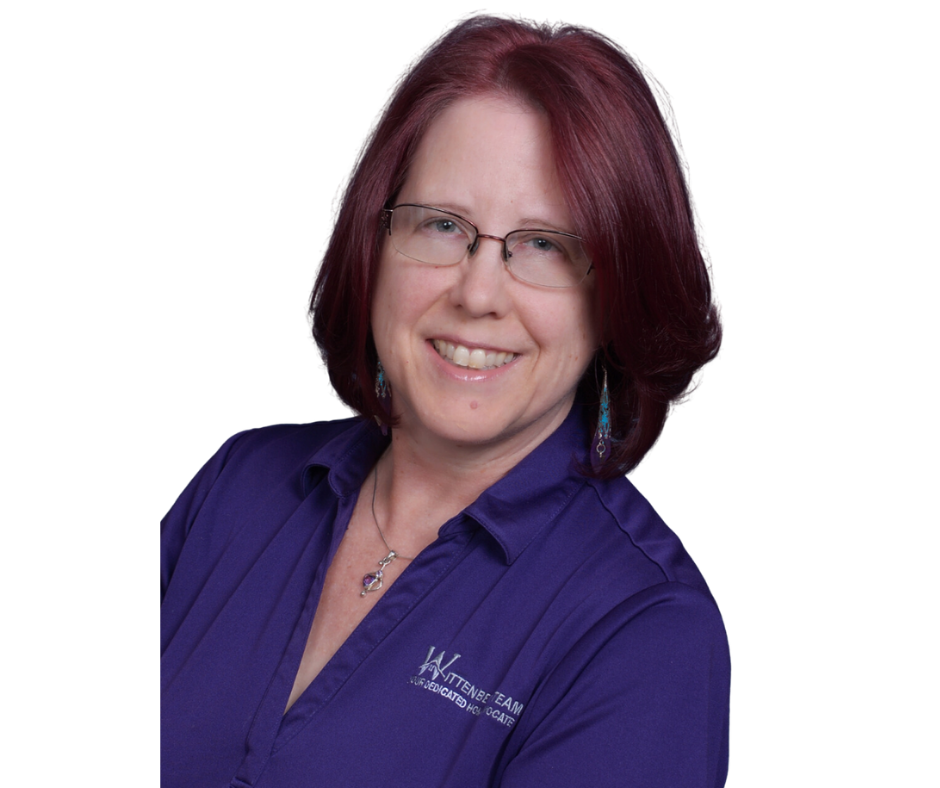
Nancy Wittenberg is a Chandler, Arizona real estate agent with Coldwell Banker Realty who helps buyers and homeowners move forward with clarity and confidence. She is the creator of the Buyer Care Plan™, a step-by-step approach designed to guide buyers through the home-buying process with education and support.
Nancy works with both buyers and sellers throughout Chandler and the surrounding East Valley, helping homeowners sell with strategic preparation while guiding buyers through their next move.